In industries where steam, gas, and fluid systems operate under high pressure, maintaining stable pressure is critical for both safety and operational efficiency. This is where a pressure reduction station becomes essential. From refineries and gas distribution networks to chemical plants and manufacturing facilities, these systems help regulate pressure and ensure smooth downstream operations.
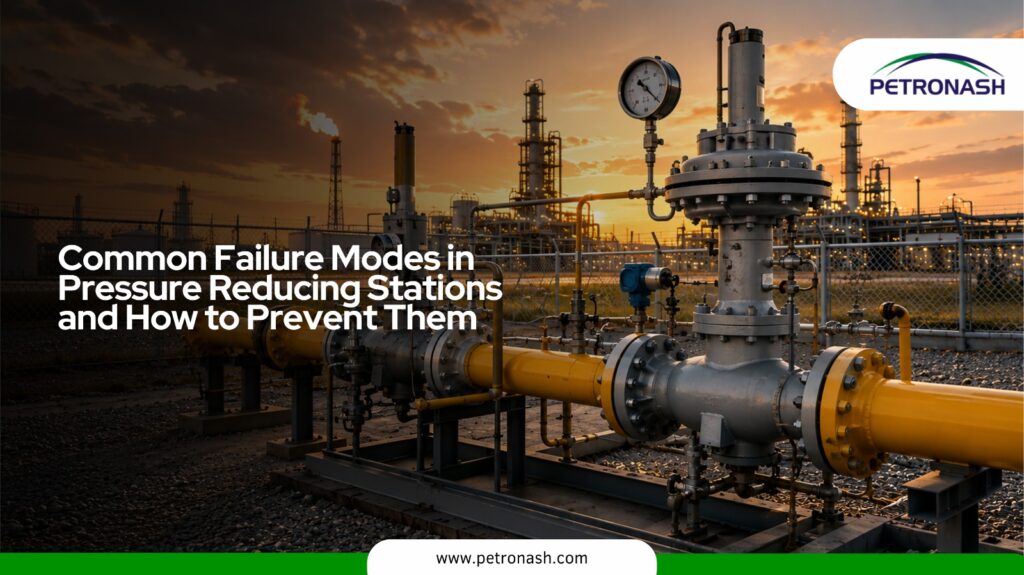
A modern pressure reducing station oil gas skid is designed to control pressure fluctuations, reduce stress on pipelines, and protect critical equipment. Similarly, a gas pressure reducing station plays a major role in maintaining stable gas flow and preventing operational hazards in oil and gas transmission systems.
While these systems are built for reliability, pressure reducing stations can still experience failures over time. In many cases, small operational issues that go unnoticed eventually turn into costly shutdowns, gas leakage, or equipment damage. Understanding the most common failure modes and how to prevent them can help industries improve efficiency, reduce maintenance costs, and extend equipment life.
Why Pressure Reducing Stations Fail
Pressure reducing stations operate continuously under demanding conditions. Constant exposure to pressure fluctuations, temperature changes, condensate, contaminants, and varying load conditions can gradually affect system performance.
In many facilities, failures are not caused by a single major issue. Instead, they result from a combination of poor maintenance, improper valve sizing, corrosion, installation mistakes, or neglected monitoring systems. Even a well-designed pressure reducing station oil gas skid can experience operational problems if preventive maintenance is ignored.
The good news is that most pressure reducing station failures are preventable with proper system design, regular inspections, and timely maintenance.
Valve Leakage Is One of the Most Common Problems
One of the first warning signs of trouble in a gas pressure reducing station is valve leakage. Over time, valve seats and internal sealing surfaces wear down because of continuous operation. Dirt, rust particles, or debris entering the valve can also prevent proper sealing.
When leakage occurs, downstream pressure becomes unstable and system efficiency starts to decline. In gas systems, leakage may also lead to increased operational losses and safety concerns.
Facilities that regularly inspect strainers, clean internal components, and monitor valve performance are far less likely to experience major leakage problems. Installing high-quality filtration systems ahead of the pressure reduction station also helps protect sensitive valve components from contamination.
Incorrect Valve Sizing Creates Long-Term Issues
Many operational problems in a pressure reduction station begin during the design stage. One of the most common mistakes is selecting pressure reducing valves based only on pipeline size instead of actual process conditions.
Oversized valves often create pressure instability, vibration, and pressure hunting. Undersized valves struggle to maintain required flow during peak demand. In both cases, the pressure reducing station oil gas skid operates inefficiently and experiences faster wear.
Proper sizing should always consider inlet pressure, outlet pressure, flow rate, and system load variations. A correctly sized gas pressure reducing station provides smoother operation, better efficiency, and longer equipment life.
Condensate and Water Hammer Can Damage the Entire System
In steam applications, condensate buildup is another major cause of pressure reducing station failures. If condensate enters the pressure reducing valve, it can create water hammer, a condition where sudden pressure shock waves move through the pipeline.
Water hammer can damage valves, gauges, piping systems, and instrumentation. In severe cases, it may even crack fittings or damage downstream equipment.
Facilities can reduce this risk by installing drip legs, steam traps, and proper drainage systems upstream of the pressure reduction station. Good insulation practices also help minimize condensate formation within the pipeline network.
Corrosion Slowly Weakens System Reliability
Corrosion is often referred to as the silent threat in industrial systems because it develops gradually over time. Moisture, chemicals, contaminants, and environmental exposure slowly weaken metal surfaces and reduce structural integrity.
In a gas pressure reducing station, corrosion can affect valve bodies, pipelines, fittings, sensing lines, and instrumentation. External corrosion is particularly common in outdoor installations exposed to harsh weather conditions.
Using corrosion-resistant materials, protective coatings, and regular inspection programs can significantly improve the lifespan of a pressure reducing station oil gas skid. Routine thickness measurements and corrosion monitoring also help identify problems before they become severe.
Sensing Line Problems Often Go Unnoticed
Pilot operated pressure reducing valves depend on sensing lines to monitor downstream pressure accurately. However, sensing lines are often overlooked during maintenance.
If a sensing line becomes blocked, bent, or filled with condensate, the valve receives inaccurate pressure information. This may lead to unstable pressure control, over-pressurization, or erratic valve operation.
Simple installation practices can prevent many of these issues. Sensing lines should always be installed straight, properly supported, and pitched toward the downstream side to avoid condensate accumulation.
Poor Maintenance Is the Biggest Risk of All
In many industrial facilities, pressure reducing stations operate continuously for long periods without detailed inspection. Over time, small issues accumulate and eventually lead to larger operational failures.
A neglected pressure reduction station may experience pressure instability, gas leakage, reduced efficiency, and unplanned shutdowns. Unfortunately, many of these failures occur during peak operating conditions when downtime is most expensive.
Preventive maintenance remains the most effective strategy for avoiding major failures. Regular inspections of valves, strainers, gauges, sensing lines, traps, and safety systems help maintain stable performance and reduce operational risk.
Modern monitoring systems are also making maintenance more proactive. Many advanced pressure reducing station oil gas skid systems now include remote monitoring and automated diagnostics that help operators detect abnormalities early.
The Growing Importance of Smart Pressure Reducing Systems
As industries continue to modernize operations, pressure reducing systems are becoming more intelligent and efficient. Modern gas pressure reducing station designs now integrate automation, digital controls, remote monitoring, and predictive maintenance technologies.
These advancements help operators monitor pressure trends in real time, improve system efficiency, reduce gas losses, and respond quickly to operational changes. Smart monitoring also reduces the likelihood of unexpected failures and improves long-term reliability.
For industries focused on operational efficiency and sustainability, investing in advanced pressure reduction station technology is becoming increasingly important.
Pressure reducing stations are essential for maintaining safe and efficient operations across steam, gas, and industrial pipeline systems. However, issues such as valve leakage, condensate buildup, corrosion, pressure instability, and poor maintenance can significantly affect system performance if left unaddressed.
For industries looking to improve reliability and operational safety, choosing the right pressure reducing station partner is just as important as maintaining the system itself. Petronash delivers advanced, high-performance pressure reducing station oil gas skid solutions designed for efficiency, durability, and precise pressure control across critical industrial applications. With engineering expertise and customized solutions for the oil, gas, and process industries, Petronash helps businesses achieve safer operations, reduced maintenance costs, and long-term system reliability. Connect with us on [email protected] today.